Parenting Phrases That Could Be Harmful to Children
January 2, 2025 - 04:48
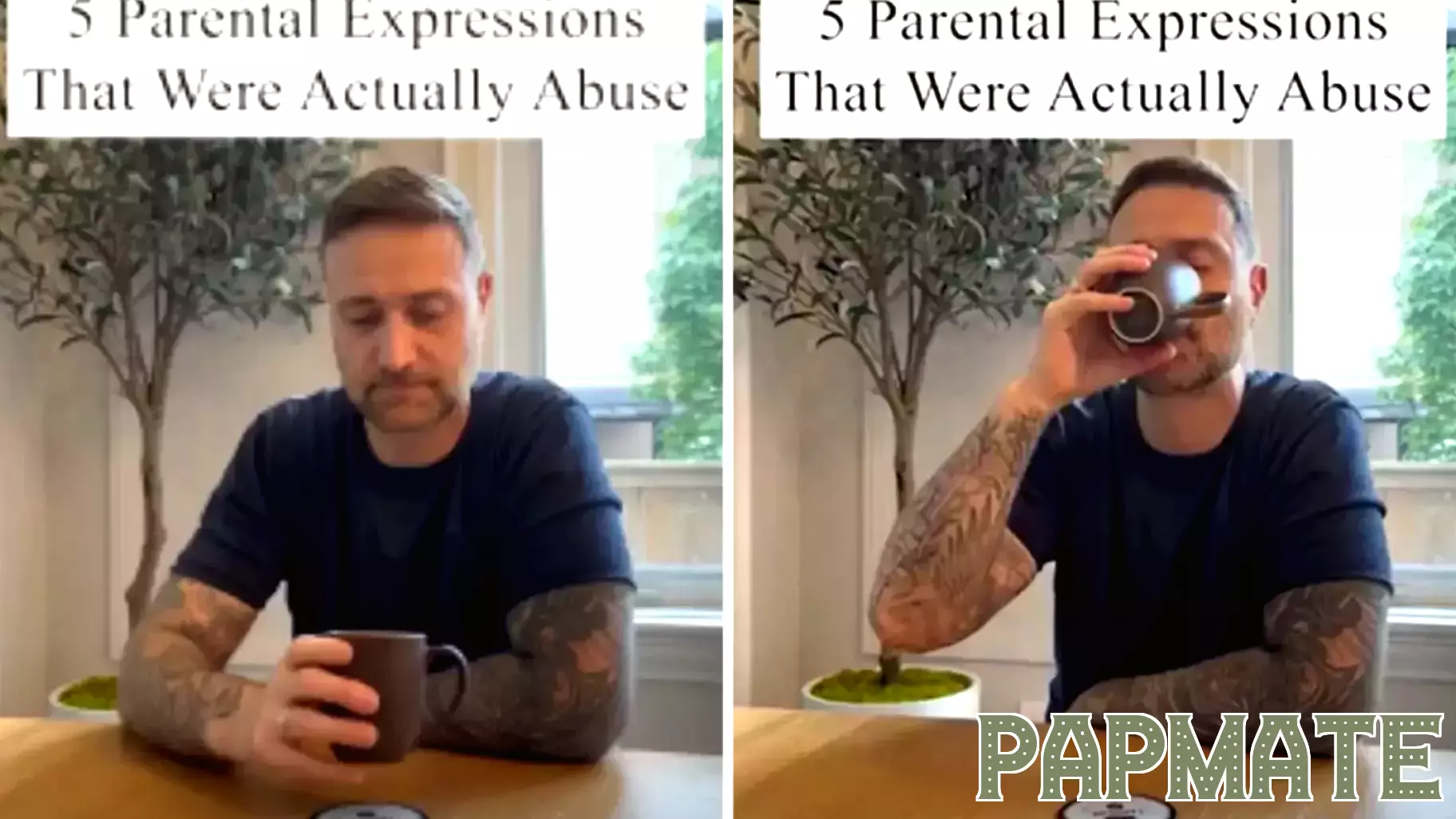
In a recent discussion, trauma specialist Konstantine Bisbikos highlighted five common parenting phrases that may be detrimental to children's emotional well-being. He emphasizes that these expressions, often used with good intentions, can inadvertently cause harm. Bisbikos argues that parents sometimes prioritize their own feelings over the psychological needs of their children, leading to a cycle of emotional distress.
He points out that phrases like "stop crying or I'll give you something to cry about" can invalidate a child's emotions, teaching them to suppress their feelings rather than express them. Similarly, statements such as "you're fine" can dismiss legitimate concerns, leaving children feeling misunderstood. Bisbikos encourages parents to be more mindful of their language, advocating for a shift towards more supportive and empathetic communication.
By re-evaluating the words we use, parents can foster a healthier emotional environment, nurturing their children's resilience and ability to express their feelings openly. This approach not only benefits the child but also strengthens the parent-child relationship.
MORE NEWS

October 28, 2026 - 00:51
What the Evidence Says About Phone-Free SchoolsSchools across the country have been testing phone bans in classrooms, and the early results are drawing attention from researchers and parents alike. The core question is simple: does removing...

October 27, 2026 - 02:16
Marissa Mayer's AI Parenting Story Draws Sharp Backlash OnlineA recent anecdote from former Yahoo chief executive Marissa Mayer about using artificial intelligence in her parenting has stirred up strong reactions on social media, exposing a growing divide...

October 26, 2026 - 00:23
Mario Nawfal (@MarioNawfal) on XA heated discussion has broken out online after images circulated showing children holding signs at a public demonstration, with one sign reportedly containing strong language. The scene has...

October 25, 2026 - 17:43
Silicon Valley's Push to Automate Parenting Raises QuestionsThe growing presence of artificial intelligence in family life is prompting some parents to reconsider how much technology should shape childhood experiences. One parent recently described how her...